
Embark on a journey to discover the best smart home system with top-notch security features. Delve into a realm of innovation and convenience as we explore the essentials of selecting the perfect smart home setup.
Unveil the intricacies of smart home security systems, from factors to consider to installation tips, as we guide you towards making an informed decision for your home.
Factors to Consider
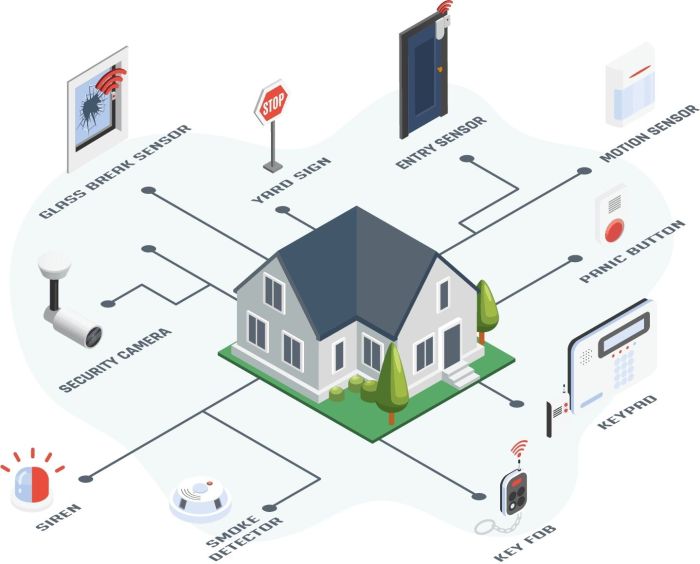
When choosing a smart home system with security features, there are several factors to consider to ensure the safety of your home and loved ones. Here are some essential security features to look for:
List and explain essential security features to look for in a smart home system:
- 24/7 Monitoring: Look for a system that offers round-the-clock monitoring for immediate response to any security breaches.
- Smartphone Integration: Choose a system that allows you to monitor and control your home security remotely through your smartphone.
- Motion Detection: Opt for devices that have motion sensors to detect any movement inside or outside your home.
- Video Surveillance: Consider cameras with high-definition video quality and night vision for clear footage of any suspicious activity.
- Smart Locks: Invest in smart locks that allow you to lock and unlock your doors remotely, as well as provide access codes for family members and trusted individuals.
Compare wired versus wireless security systems in terms of reliability and ease of installation:
Wired security systems are typically more reliable as they are not susceptible to interference or hacking. However, they can be more challenging to install and may require professional assistance. On the other hand, wireless security systems are easier to install and can be more flexible in terms of placement, but they may be vulnerable to signal interference or hacking.
Provide examples of smart home devices that offer integrated security features:
- Nest Secure: A comprehensive security system that includes motion sensors, door/window sensors, and a central hub for monitoring.
- Ring Alarm: A customizable security system with sensors for doors, windows, and motion detection, as well as video doorbells and security cameras.
- Arlo Pro 3: A wireless security camera system with high-definition video quality, two-way audio, and motion detection capabilities.
- August Smart Lock Pro: A smart lock that allows you to control access to your home through your smartphone and provides keyless entry options.
Budget Planning
When considering a smart home security system, it is essential to plan your budget carefully to ensure you get the best value for your investment. This involves weighing the cost implications of different security options and deciding on a suitable financial plan.
Subscription-Based vs. One-Time Purchase
Subscription-based security services often require a monthly or annual fee in exchange for continuous monitoring and support. While this can provide ongoing peace of mind, the costs can add up over time. On the other hand, one-time purchase options involve a higher upfront cost but may save money in the long run without recurring fees.
- Compare the total cost of ownership: Consider the initial purchase price, installation fees, and any additional costs associated with maintenance or upgrades.
- Assess your long-term security needs: Determine whether a subscription-based service aligns with your budget and security requirements, or if a one-time purchase is a more cost-effective solution.
- Research discounts or promotions: Look for special offers or bundles that can help reduce the overall cost of acquiring a smart home security system.
Creating a Budget Plan
When creating a budget plan for purchasing and maintaining a smart home security system, it is important to take the following steps:
- Evaluate your current financial situation: Determine how much you can comfortably allocate towards a smart home security system without compromising your overall budget.
- Set a realistic budget: Establish a budget that covers the initial purchase, installation, and any ongoing expenses related to the security system.
- Prioritize security features: Identify the key security features that are essential for your home and allocate funds accordingly to ensure you meet your security needs.
- Factor in future costs: Anticipate any future expenses such as system upgrades or additional devices, and include them in your budget plan to avoid unexpected financial strain.
Compatibility and Integration
When choosing the best smart home system with security features, compatibility and integration play a crucial role in ensuring a seamless and efficient setup.
Importance of Compatibility
It is essential to consider the compatibility of the smart home system with your existing devices to avoid any issues related to connectivity or functionality. Choosing a system that works well with your current devices will make the integration process smoother and enhance the overall performance of your smart home setup.
Benefits of Seamless Integration
- Improved convenience and automation: Seamless integration allows for automation of tasks across different devices, making your smart home more efficient and user-friendly.
- Enhanced security features: Integrated systems can work together to provide better security measures, such as syncing cameras with motion sensors or alarms for comprehensive protection.
- Expanded functionality: Integration enables different devices to work together, unlocking new functionalities and possibilities for your smart home system.
Popular Smart Home Platforms with Security Features
| Platform | Key Features |
|---|---|
| Amazon Alexa | Works with a wide range of smart home devices, offers voice control, and integrates with security cameras and systems. |
| Google Home | Provides seamless integration with various smart devices, including security cameras, alarms, and locks, and allows for voice commands for security features. |
| Apple HomeKit | Offers a secure platform for smart home devices, including security cameras, sensors, and locks, ensuring data privacy and seamless integration with Apple devices. |
Installation and Setup
When it comes to installing and setting up a smart home security system, there are several key steps to consider. Whether you opt for professional installation or decide to go the DIY route, it's important to ensure that your system is configured correctly to maximize security and functionality.
Installation Process
Setting up a smart home security system typically involves the following steps:
- Choose the right location for your central hub or control panel, ensuring it is easily accessible and within range of all connected devices.
- Install any sensors, cameras, or other devices according to the manufacturer's instructions, making sure they are securely mounted and positioned for optimal coverage.
- Connect all devices to the central hub or control panel using the provided instructions or mobile app.
- Configure your security settings, such as setting up user access codes, defining security zones, and customizing notifications.
- Test your system to ensure that all devices are communicating properly and that you are receiving alerts and notifications as expected.
Professional Installation vs. DIY Setup
While some may prefer the convenience of professional installation, others may opt for a DIY setup to save on costs and have more control over the process. Here are some considerations to keep in mind:
- Professional Installation:Professional installers can ensure that your system is set up correctly and provide guidance on best practices for security. They can also troubleshoot any issues that may arise during installation.
- DIY Setup:DIY installation allows you to customize your system to your liking and potentially save on installation fees. However, it requires careful attention to detail and following instructions closely to ensure proper setup.
- Hybrid Approach:Some companies offer a combination of professional installation for key components and DIY setup for others, providing flexibility and peace of mind.
Remote Monitoring and Control
Remote monitoring and control features play a crucial role in enhancing the security of a smart home system. These capabilities allow homeowners to keep an eye on their property and control security devices even when they are away from home.
Advantages of Remote Monitoring and Control
- Monitor your home in real-time: With remote access, you can view live video feeds from security cameras to check on your home at any time.
- Receive instant alerts: Get notifications on your smartphone about any suspicious activity or potential security breaches, allowing for quick action.
- Control devices remotely: Arm or disarm your security system, lock or unlock doors, and adjust lighting or thermostat settings from anywhere.
Methods of Accessing and Controlling Security Devices Remotely
- Mobile apps: Many smart home systems offer dedicated mobile applications that allow users to access and control security devices through their smartphones or tablets.
- Web portals: Some systems provide web-based platforms that enable remote monitoring and control via a computer or laptop connected to the internet.
- Voice assistants: Integration with voice-controlled devices like Amazon Alexa or Google Assistant allows for hands-free control of security features using voice commands.
Smart Home Systems with User-Friendly Remote Monitoring Capabilities
- Ring Alarm: Ring offers a comprehensive smart home security system with a user-friendly app that allows for easy monitoring and control of security devices.
- ADT Command: ADT's Command system provides remote access through its mobile app, enabling users to manage their security settings on the go.
- Google Nest Secure: Nest Secure integrates seamlessly with other Nest products and offers a user-friendly app for remote monitoring and control of security features.
Customer Support and Warranty
When choosing a smart home security system, reliable customer support is crucial for ensuring that you can get help when needed and resolve any issues that may arise. Additionally, a good warranty policy can provide you with peace of mind knowing that your investment is protected.
Significance of Reliable Customer Support
Having access to reliable customer support can make a huge difference in your overall experience with a smart home security system. Whether you have questions about installation, troubleshooting, or general usage, responsive and knowledgeable customer support can help you navigate through any challenges you may encounter.
Comparing Warranty Policies
Before making a purchase, it is essential to compare the warranty policies of different smart home security system providers. Look for details on what is covered under the warranty, the duration of coverage, and any additional options for extended protection.
A good warranty policy can safeguard your investment and provide added assurance.
Tips for Assessing Customer Support Quality
- Check online reviews and ratings to gauge the overall customer satisfaction with the company's support services.
- Reach out to the customer support team with some pre-purchase questions to test their responsiveness and helpfulness.
- Look for companies that offer multiple channels of support, such as phone, email, and live chat, for added convenience.
- Consider the availability of customer support, including hours of operation and response times, to ensure assistance is readily accessible when needed.
- Ask about any additional support resources, such as online FAQs, user manuals, or community forums, that can help you troubleshoot issues independently.
Concluding Remarks
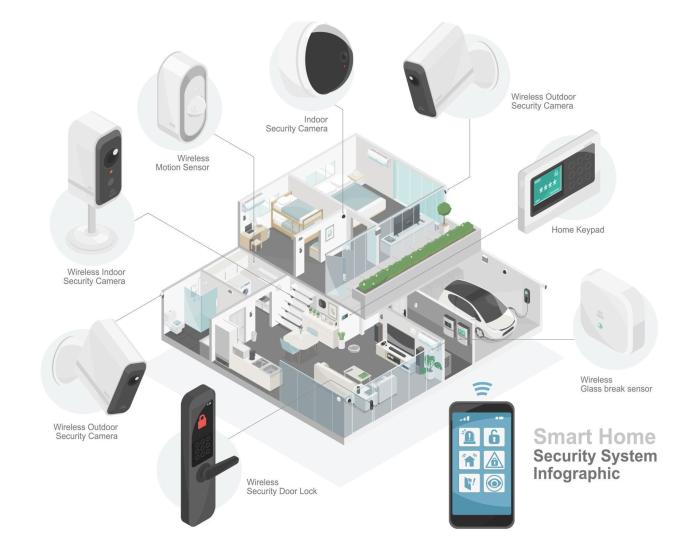
In conclusion, choosing the best smart home system with security features is a blend of technology, practicality, and peace of mind. With the right knowledge and considerations, you can transform your living space into a secure and intelligent haven.
FAQ Overview
What are some essential security features to look for in a smart home system?
Look for features like motion detection, night vision cameras, two-factor authentication, and encrypted communication to enhance security.
How can I assess the quality of customer support before purchasing a smart home security system?
Check reviews, reach out to the support team with questions, and inquire about response times to gauge the level of customer service provided.
What is the significance of compatibility with existing smart home devices when choosing a security system?
Ensuring compatibility allows for seamless integration and control of all your smart devices within a unified system, enhancing overall convenience.