
How Health Information Technology Improves Patient Safety sets the stage for this enthralling narrative, offering readers a glimpse into a story that is rich in detail and brimming with originality.
Exploring the intersection of Health Information Technology and patient safety opens up a world of possibilities, where innovation meets healthcare to enhance the well-being of individuals.
Introduction to Health Information Technology (HIT)
Health Information Technology (HIT) refers to the use of technology in healthcare to store, share, and analyze patient information. It plays a crucial role in improving patient care, safety, and overall efficiency in healthcare settings.
Role of HIT in Healthcare
Health Information Technology systems are used to manage patient data and medical records securely, ensuring that healthcare providers have access to accurate and up-to-date information when making treatment decisions. These systems help streamline communication between healthcare professionals, reduce medical errors, and improve the quality of care provided to patients.
Common HIT Tools and Software
- Electronic Health Records (EHR): EHRs are digital versions of paper charts that contain patients' medical history, diagnoses, medications, treatment plans, immunization dates, allergies, radiology images, and laboratory test results.
- Picture Archiving and Communication Systems (PACS): PACS is used to store and manage medical images like X-rays, MRIs, and CT scans digitally, allowing healthcare providers to access and review images quickly.
- Clinical Decision Support Systems (CDSS): CDSS are software tools that provide healthcare professionals with evidence-based recommendations and alerts to assist in clinical decision-making, ultimately improving patient outcomes.
- Telehealth Platforms: Telehealth platforms enable remote consultations, monitoring, and follow-ups with patients, especially useful in providing care to individuals in rural or underserved areas.
Importance of Patient Safety in Healthcare
Patient safety is a critical component of providing high-quality healthcare services. Ensuring the safety of patients not only improves their overall experience but also directly impacts their health outcomes. Errors in healthcare settings can have devastating consequences, leading to prolonged hospital stays, worsening of medical conditions, or even fatalities.
Impact of Errors on Patient Outcomes
Errors in healthcare settings, such as medication mistakes, misdiagnosis, or surgical errors, can significantly affect patient outcomes. According to a study published in the Journal of Patient Safety, medical errors contribute to the deaths of over 250,000 Americans each year, making it the third leading cause of death in the United States.
These errors can result in unnecessary pain and suffering for patients and their families, as well as increased healthcare costs.
Significance of Patient Safety
Ensuring patient safety is crucial for building trust between healthcare providers and patients. Patients rely on healthcare professionals to deliver safe and effective care, and any lapses in safety can erode this trust. By prioritizing patient safety, healthcare organizations can improve the overall quality of care, reduce the risk of adverse events, and enhance patient satisfaction.
Statistics on Patient Safety
According to the World Health Organization, globally, one in ten patients is harmed while receiving healthcare. This highlights the urgent need to address patient safety issues and implement strategies to prevent errors. Furthermore, a report by the Institute of Medicine estimated that medical errors cost the United States healthcare system $17 billion to $29 billion annually.
Role of Health Information Technology in Improving Patient Safety
Health Information Technology (HIT) plays a crucial role in enhancing patient safety within healthcare settings. By leveraging technology and data, HIT systems help in reducing medical errors, improving communication between healthcare providers, and enhancing medication management to prevent adverse drug events.
Reducing Medical Errors
- HIT systems utilize electronic health records (EHRs) to ensure accurate and up-to-date patient information is readily available to healthcare providers.
- Decision support tools embedded in HIT systems provide alerts for potential drug interactions, allergies, and dosage errors, reducing the risk of medication errors.
- Barcoding technology in HIT helps in verifying patient identity and proper medication administration, minimizing errors in medication administration.
Enhancing Communication Between Healthcare Providers
- HIT systems enable seamless sharing of patient information among different healthcare providers, promoting collaboration and continuity of care.
- Electronic communication tools within HIT platforms facilitate quick and secure exchange of information, leading to better coordination of patient care.
- Telemedicine capabilities in HIT systems allow for remote consultations and timely access to specialists, improving diagnosis and treatment outcomes.
Improving Medication Management
- HIT systems support electronic prescribing, reducing errors related to illegible handwriting and ensuring accurate medication orders.
- Medication reconciliation features in HIT help in tracking and managing a patient's medication history, preventing duplicate therapies and adverse drug events.
- Automated alerts in HIT systems notify healthcare providers about potential medication discrepancies, enhancing medication safety and patient outcomes.
Benefits of Electronic Health Records (EHRs) in Enhancing Patient Safety
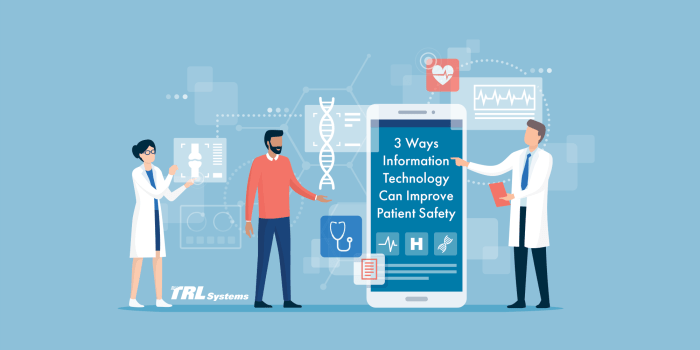
Electronic Health Records (EHRs) play a crucial role in improving patient safety by streamlining access to essential patient information and reducing errors. They have revolutionized the healthcare industry by providing a centralized platform for storing and sharing patient data securely.
Streamlining Access to Patient Information and Reducing Errors
Electronic Health Records (EHRs) enable healthcare providers to access comprehensive patient information quickly and efficiently. By having instant access to a patient's medical history, medications, allergies, and test results, healthcare professionals can make informed decisions promptly, leading to improved patient safety
Additionally, EHRs help minimize errors caused by illegible handwriting or incomplete documentation, enhancing the accuracy and quality of patient care.
Facilitating Coordination of Care Among Healthcare Teams
EHRs promote better coordination of care among healthcare teams by allowing seamless communication and information sharing. Different healthcare providers involved in a patient's treatment can access the same up-to-date information, ensuring continuity of care and preventing duplication of tests or medications.
This collaborative approach enhances patient safety by reducing the chances of miscommunication or oversight during the treatment process.
Alerts for Potential Issues
Electronic Health Records (EHRs) incorporate alert systems that notify healthcare providers of potential issues or risks related to patient care. These alerts can range from medication interactions to abnormal test results, reminding healthcare professionals to take necessary precautions or interventions promptly.
By providing real-time alerts, EHRs contribute to preventing adverse events and enhancing patient safety significantly.
Use of Clinical Decision Support Systems (CDSS) for Patient Safety
Clinical Decision Support Systems (CDSS) play a crucial role in improving patient safety by assisting healthcare providers in making informed decisions based on evidence-based recommendations.
Assistance in Informed Decision Making
CDSS help healthcare providers by analyzing patient data, medical history, and best practices to provide real-time guidance and alerts. This assists in decision-making processes and ensures that healthcare professionals have access to the most up-to-date information when caring for patients.
Role in Evidence-Based Recommendations
CDSS utilize evidence-based guidelines and protocols to offer recommendations for patient care. By integrating the latest research and clinical data, CDSS can provide healthcare providers with tailored suggestions for diagnosis, treatment plans, and medication prescriptions, ultimately improving the quality of care and patient outcomes.
Prevention of Medical Errors and Outcome Improvement
CDSS can help prevent medical errors by flagging potential drug interactions, dosage errors, or incorrect procedures in real-time. By alerting healthcare providers to potential risks or inconsistencies, CDSS contribute to reducing adverse events and improving patient safety. For example, CDSS can help in preventing medication errors by cross-referencing a patient's medical history and current medications to identify potential conflicts or allergies.
Implementation Challenges and Considerations for Health Information Technology
Implementing Health Information Technology (HIT) systems in healthcare settings can pose various challenges that need to be addressed for successful integration and utilization. One of the key aspects in ensuring the effectiveness of HIT is training healthcare staff to proficiently use the tools provided.
Additionally, strategies must be in place to overcome barriers that may hinder the implementation process.
Common Challenges Faced in Implementing HIT Systems
- Lack of interoperability between different systems and platforms, leading to difficulty in sharing and accessing patient information.
- Resistance from healthcare professionals who are accustomed to traditional methods and are hesitant to embrace technology-driven solutions.
- Concerns about data security and privacy, especially with the increasing amount of sensitive information stored electronically.
- Financial constraints that may limit the resources available for implementing and maintaining HIT systems.
Importance of Training Healthcare Staff
- Providing comprehensive training to healthcare staff ensures that they are competent in using HIT tools effectively, reducing the risk of errors and improving patient outcomes.
- Training also helps in fostering a culture of continuous learning and adaptation to new technologies, enhancing overall efficiency in healthcare delivery.
- Regular training sessions can help address any challenges or confusion that staff may face when using HIT systems, ultimately increasing user satisfaction and engagement.
Strategies for Overcoming Barriers to Successful HIT Implementation
- Engage stakeholders early in the process to gain buy-in and support for the implementation of HIT systems.
- Customize training programs to meet the specific needs and skill levels of different healthcare staff members, ensuring comprehensive understanding and proficiency.
- Address concerns about data security and privacy through robust protocols and encryption methods, instilling confidence in the system among users.
- Allocate sufficient resources and financial support to ensure the successful implementation, maintenance, and upgrades of HIT systems in healthcare settings.
Concluding Remarks
In conclusion, the integration of Health Information Technology in healthcare not only improves patient safety but also revolutionizes the way we approach medical treatment. It's a testament to the power of technology in safeguarding lives and enhancing healthcare outcomes.
FAQ
How can Health Information Technology reduce medical errors?
Health Information Technology can reduce medical errors by improving accuracy in patient data management and providing real-time alerts for potential issues.
What are some common challenges faced during the implementation of HIT systems?
Common challenges include staff training, data security concerns, and interoperability issues between different systems.
How do Electronic Health Records enhance patient safety through medication management?
Electronic Health Records improve patient safety by providing a comprehensive overview of a patient's medication history, helping to prevent adverse drug events.