
As we delve into The Role of AI in Modern Health Information Systems, we uncover a world where artificial intelligence plays a pivotal role in revolutionizing the healthcare landscape. From personalized medicine to predictive analytics, AI is reshaping the way we approach health information systems, leading to improved efficiency and patient outcomes.
Let's explore the fascinating intersection of AI and healthcare in this engaging discussion.
Introduction to AI in Health Information Systems
Artificial Intelligence (AI) is the simulation of human intelligence processes by machines, specifically computer systems, to perform tasks that typically require human intelligence. In the context of health information systems, AI plays a crucial role in revolutionizing the healthcare industry by enhancing decision-making, improving patient outcomes, and optimizing operational efficiency.
Significance of AI in Transforming Healthcare
AI has the potential to transform healthcare by offering personalized treatment plans, predicting disease outbreaks, and streamlining administrative tasks. The ability of AI to analyze vast amounts of data quickly and accurately enables healthcare providers to make informed decisions and deliver better patient care.
Examples of AI Applications in Modern Health Information Systems
- Medical Imaging Analysis: AI algorithms can analyze medical images such as X-rays, MRIs, and CT scans to assist radiologists in detecting abnormalities and making diagnoses.
- Predictive Analytics: AI can predict patient outcomes, identify high-risk individuals, and suggest preventive measures to improve population health.
- Natural Language Processing: AI-powered tools can extract valuable insights from unstructured clinical notes, enabling healthcare professionals to make data-driven decisions.
- Virtual Health Assistants: AI-powered chatbots and virtual assistants can provide patients with personalized health information, answer queries, and schedule appointments, improving patient engagement and satisfaction.
Benefits of AI in Health Information Systems
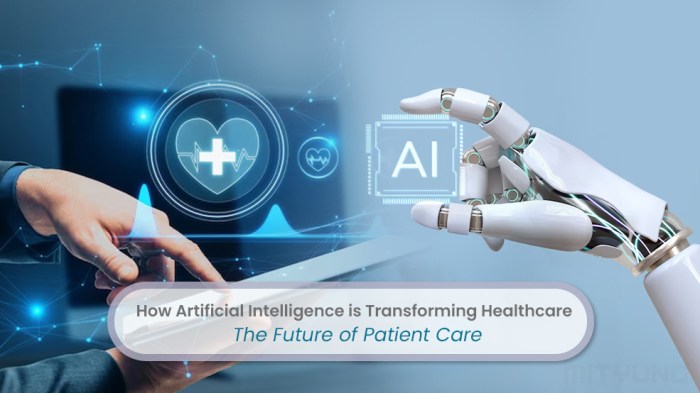
AI plays a crucial role in transforming health information systems, providing various benefits that enhance the efficiency and effectiveness of healthcare services.AI Improves Efficiency and Accuracy in Healthcare Data Management:AI algorithms can analyze and process vast amounts of healthcare data much faster and more accurately than humans.
This capability enables healthcare providers to make data-driven decisions promptly, leading to improved patient outcomes and operational efficiency.AI in Personalized Medicine and Treatment:By leveraging AI technologies such as machine learning and predictive analytics, healthcare professionals can personalize treatment plans based on individual patient data.
This personalized approach enhances the quality of care by tailoring interventions to meet the specific needs of each patient, ultimately leading to better health outcomes.AI Enhances Decision-Making Processes for Healthcare Professionals:AI-powered tools assist healthcare professionals in making informed decisions by providing valuable insights and recommendations based on data analysis.
These decision support systems help streamline workflows, reduce errors, and ensure that healthcare providers have access to the most up-to-date information when delivering care.
Challenges and Limitations of AI in Health Information Systems
AI technology has undoubtedly revolutionized the healthcare industry, but it also comes with its own set of challenges and limitations. From ethical considerations to data privacy and security issues, there are several factors to consider when implementing AI in health information systems.
Ethical Considerations in AI Use in Healthcare
- One of the major ethical considerations related to AI in healthcare is the issue of patient consent and autonomy. As AI systems collect and analyze vast amounts of patient data, ensuring that patients are aware of how their information is being used and giving them control over their data is crucial.
- Another ethical concern is the potential for AI algorithms to make decisions that could have life-altering consequences for patients. It is essential to carefully monitor and evaluate AI systems to prevent biases or errors that could harm patients.
- Transparency in AI decision-making processes is also a key ethical consideration. Patients and healthcare providers should have a clear understanding of how AI algorithms reach their conclusions to ensure trust and accountability in the system.
Potential Biases in AI Algorithms and Their Impact on Patient Care
- AI algorithms are only as unbiased as the data they are trained on, which can lead to inherent biases in the system. If the training data is not diverse or representative enough, AI algorithms can perpetuate and even amplify existing biases in healthcare.
- Biases in AI algorithms can result in disparities in patient care, diagnosis, and treatment. For example, if an AI system is trained on data that is skewed towards a specific demographic group, it may not provide accurate or equitable care for patients from other groups.
- Addressing biases in AI algorithms requires ongoing monitoring, evaluation, and adjustment to ensure that the technology is fair and equitable for all patients, regardless of their background or characteristics.
Challenges of Data Privacy and Security in AI-Driven Health Systems
- AI systems in healthcare rely on vast amounts of sensitive patient data, raising concerns about data privacy and security. Ensuring that patient data is protected from unauthorized access or breaches is essential to maintain patient trust and confidentiality.
- Data privacy regulations, such as the Health Insurance Portability and Accountability Act (HIPAA), impose strict requirements on healthcare organizations to safeguard patient information. Implementing AI in health information systems requires compliance with these regulations to protect patient privacy.
- The interconnected nature of AI-driven health systems also poses security risks, as cyber threats and attacks can compromise the integrity and confidentiality of patient data. Robust cybersecurity measures are necessary to mitigate these risks and maintain the security of AI systems in healthcare.
Future Trends and Innovations in AI for Health Information Systems
Artificial Intelligence (AI) continues to evolve and shape the future of healthcare, with innovative technologies enhancing the capabilities of health information systems. Let's explore some of the emerging trends and advancements in AI for health information systems.
AI in Predictive Analytics for Disease Prevention
AI has the potential to revolutionize disease prevention through predictive analytics. By analyzing vast amounts of data, AI systems can identify patterns and trends that may indicate the likelihood of certain diseases or health issues. This proactive approach enables healthcare providers to intervene early, offering personalized preventive care to individuals based on their specific risk factors.
Revolutionizing Telemedicine and Remote Patient Monitoring
AI is transforming telemedicine and remote patient monitoring by enabling more efficient and accurate healthcare delivery. Through AI-powered tools, healthcare providers can remotely monitor patients' vital signs, track their progress, and even predict potential health complications. This real-time data allows for timely interventions and personalized treatment plans, improving patient outcomes and reducing the need for in-person visits.
Closure
In conclusion, The Role of AI in Modern Health Information Systems showcases the immense potential of artificial intelligence in enhancing healthcare delivery. From addressing challenges to embracing future innovations, AI continues to be a driving force in transforming the way we access and utilize health information.
The journey towards a smarter and more efficient healthcare system powered by AI is indeed an exciting one.
Commonly Asked Questions
How does AI impact personalized medicine in healthcare?
AI enables the customization of treatment plans based on individual patient data, leading to more precise and effective care.
What are some ethical considerations related to AI use in healthcare?
Ethical considerations include issues of data privacy, algorithm biases, and the potential impact on patient autonomy.
How does AI enhance decision-making processes for healthcare professionals?
AI provides data-driven insights, analysis, and recommendations that assist healthcare professionals in making informed decisions for patient care.